
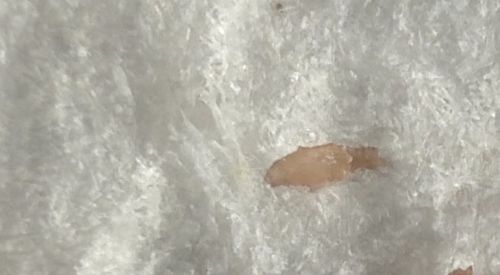
Snow Flea
Hypogastrura nivicola
- Order & Family
- Poduromorpha, Hypogastruridae
- Size
- 1 to 2 mm in length
Natural Habitat
Typically found in leaf litter and soil during warmer months, but notable for aggregating on the surface of melting snow in late winter and early spring, particularly around tree trunks.
Diet & Feeding
Decomposer; feeds on decaying organic matter, bacteria, fungal spores, algae, and microscopic plant material.
Behavior Patterns
Active in winter due to a unique 'antifreeze' protein (glycine-rich) that prevents ice crystallization in its body. They are known for jumping using a specialized tail-like appendage called a furcula, although they are not true fleas. They often swarm in massive numbers, appearing like spilled pepper on snow.
Risks & Benefits
Benefits: Essential to the ecosystem as decomposers, helping to break down organic matter and enrich soil. Risks: None; they do not bite humans or pets, do not transmit disease, and do not damage homes or food supplies.