
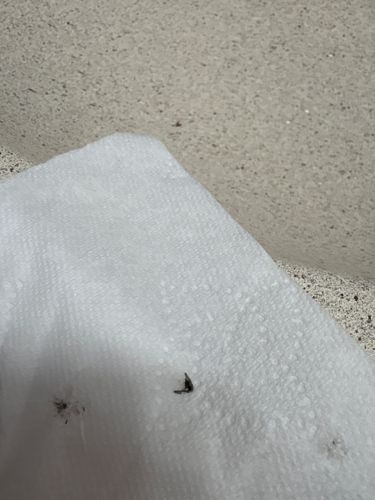
Drain Fly (also known as Moth Fly or Sewer Fly)
Psychodidae (family level identification)
- Order & Family
- Order: Diptera, Family: Psychodidae
- Size
- Small, generally 2-5 mm in length.
Natural Habitat
Typically found in moist areas with organic buildup, such as bathroom and kitchen drains, sewer pipes, septic tanks, and wet compost.
Diet & Feeding
Larvae feed on the gelatinous 'biofilm' of decomposing organic matter and bacteria found in drains; adults primarily consume liquid organic material or water.
Behavior Patterns
Poor fliers that often crawl or take short, jerky flights; they are nocturnal and attracted to light. Their life cycle from egg to adult takes approximately 7 to 28 days.
Risks & Benefits
Generally harmless as they do not bite or transmit human diseases; however, large infestations can be a nuisance and potentially transport bacteria from drains to food surfaces. They benefit the ecosystem by breaking down organic matter in sewage and plumbing.