
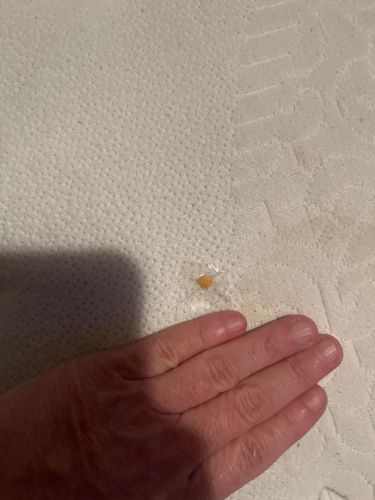
Bed Bug (unfed nymph or adult)
Cimex lectularius
- Order & Family
- Order Hemiptera; Family Cimicidae
- Size
- 1.5 mm (first instar nymph) to 5 mm (adult)
Natural Habitat
Found globally, typically in human dwellings. They aggregate in cracks and crevices, mattress seams, bed frames, and furniture near sleeping areas.
Diet & Feeding
Obligate hematophagous insects, meaning they feed exclusively on the blood of warm-blooded animals, primarily humans.
Behavior Patterns
Nocturnal and elusive. They are attracted to heat and carbon dioxide and typically feed every 5–10 days. They undergo incomplete metamorphosis with five nymphal stages, requiring a blood meal to molt to each subsequent stage.
Risks & Benefits
Risks include itchy skin welts, allergic reactions, secondary skin infections from scratching, and significant psychological distress or insomnia. They are not known to transmit diseases to humans. There are no ecological benefits to humans; they are considered a significant household pest.