
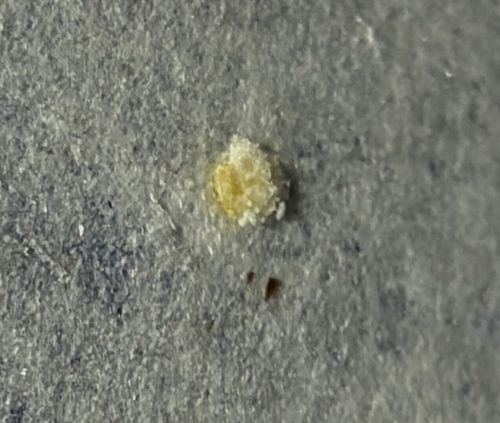
Mealybug
Pseudococcidae (Family level identification)
- Order & Family
- Order: Hemiptera, Family: Pseudococcidae
- Size
- 1 to 5 mm (approx. 0.04 to 0.2 inches) in length
Natural Habitat
Warm, humid environments; typically found on the stems, leaves, and undersides of foliage of indoor houseplants, greenhouse plants, and outdoor crops in warmer climates.
Diet & Feeding
Sap-sucking feeder; they pierce plant tissue to consume phloem sap, often targeting new growth, leaf veins, and stem joints.
Behavior Patterns
They secrete a powdery, white waxy substance offering protection. They are generally slow-moving or stationary once attached to feed. They excrete sticky 'honeydew' which can attract ants and promote sooty mold growth.
Risks & Benefits
Risks: Significant plant pests causing stunted growth, yellowing leaves, and leaf drop. The honeydew they secrete encourages unsightly black sooty mold. Benefits: Generally considered pests with little direct benefit, though they serve as prey for ladybugs and lacewings.