
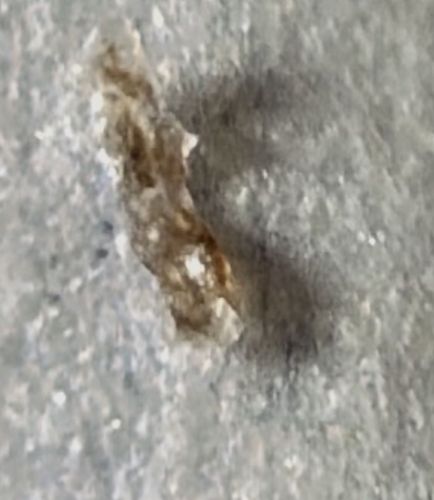
Household Casebearer Moth (Larva)
Phereoeca uterella (or related species in the family Tineidae)
- Order & Family
- Order: Lepidoptera, Family: Tineidae (Clothes Moths)
- Size
- The case is usually 8-13 mm (0.3-0.5 inches) long.
Natural Habitat
Typically found indoors in dry areas such as garages, closets, under furniture, or on stucco walls. They are common in humid, tropical, or subtropical climates.
Diet & Feeding
The larvae feed on old spider webs (and the insect remains caught in them), woolen fibers, hair, fur, and other keratin-rich organic debris.
Behavior Patterns
The larva constructs a flattened, spindle-shaped case made of silk and covered with bits of sand, soil, insect parts, and paint fragments for camouflage. It drags this protective home around as it moves. When threatened, the larva can retreat inside the case at either end.
Risks & Benefits
Generally harmless to structures and people but can be considered a minor pest if populations grow large. They do not bite or sting. However, they are related to clothes moths and can occasionally damage woolens or natural fabrics.