
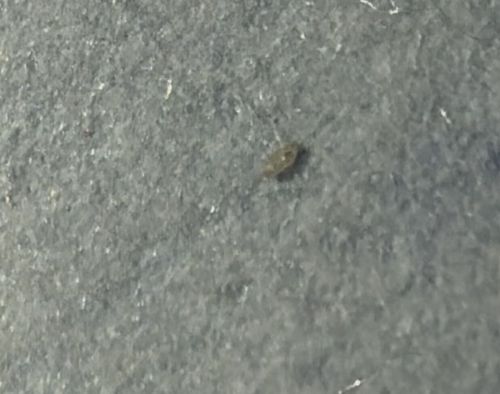
Booklouse (or Psocid)
Liposcelis spp. (Commonly)
- Order & Family
- Order: Psocodea (formerly Psocoptera), Family: Liposcelididae
- Size
- Very small, typically 1 mm to 2 mm in length.
Natural Habitat
Found indoors in high-humidity areas, damp basements, windowsills, new construction with damp plaster, dusty shelves, behind wallpaper, and in stored grains or libraries.
Diet & Feeding
Feeds on microscopic molds, fungi, algae, lichen, and organic debris found in dust or pastes (like bookbinding glue).
Behavior Patterns
They do not fly but run quickly when disturbed. They thrive in humidity and require moisture to survive; if the environment is too dry, they rapidly perish. They are often solitary but can congregate in large numbers if food (mold) is plentiful.
Risks & Benefits
Risks: They are nuisance pests rather than destructive ones. They can contaminate stored food products and irritate people with allergies. They generally do not bite humans or pets. Benefits: They act as indicators of dampness or mold issues in a structure.