
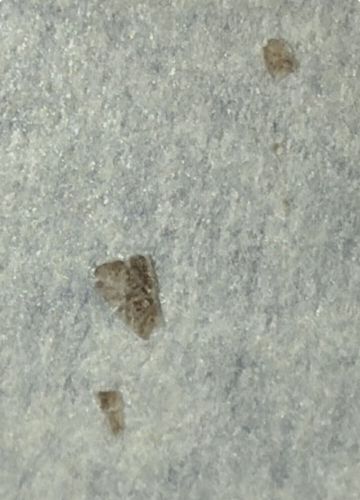
Drain Fly (also known as Moth Fly, Sewer Gnat, or Filter Fly)
Psychodidae (Family), specifically Clogmia albipunctata often encountered indoors
- Order & Family
- Order: Diptera (True Flies), Family: Psychodidae
- Size
- Very small, typically 1.5 to 5 millimeters in length.
Natural Habitat
Found in moist, decaying organic matter. Indoors, they typically breed in the gelatinous slime (biofilm) that lines drains, sewers, septic tanks, and overflow pipes in bathrooms and kitchens.
Diet & Feeding
Larvae feed on algae, bacteria, fungi, and microscopic organisms found in the slime of drains. Adults generally consume polluted water or flower nectar but do not feed much.
Behavior Patterns
They are weak fliers and often seen resting motionless on walls or surfaces near drains. They are most active in the evening. Their wings are covered in fine hairs giving them a 'furry' or moth-like appearance.
Risks & Benefits
Risks: They do not bite or sting, but because they breed in sewage and drains, they can mechanically transmit bacteria and pathogens to surfaces. Benefits: In nature, larvae help break down decaying organic matter.