
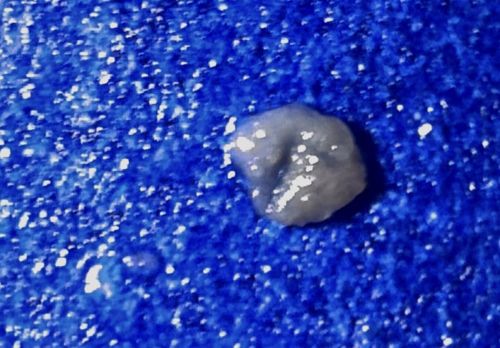
Community identification
Backswimmer (Egg Mass or Early Instar Nymph Clump)
Notonecta spp.
- Order & Family
- Order: Hemiptera, Family: Notonectidae
- Size
- Egg masses are typically 5-10 mm in diameter; adults grow to approximately 10-15 mm (0.5 inches)
Natural Habitat
Stagnant or slow-moving freshwater bodies such as ponds, pools, and lakes. They are frequently found in swimming pools.
Diet & Feeding
Predaceous; they feed on other insects, tadpoles, and small fish by piercing them with a beak-like mouthpart and sucking out body fluids.
Behavior Patterns
They swim upside-down on their backs, using their long hind legs like oars. They lay eggs on submerged vegetation or surfaces like pool liners, appearing as small blobs of jelly.
Risks & Benefits
Risks: Known for inflicting a painful bite if handled or threatened, similar to a bee sting (hence the nickname 'water bee'). Benefits: They help control mosquito larvae populations.