
Community identification
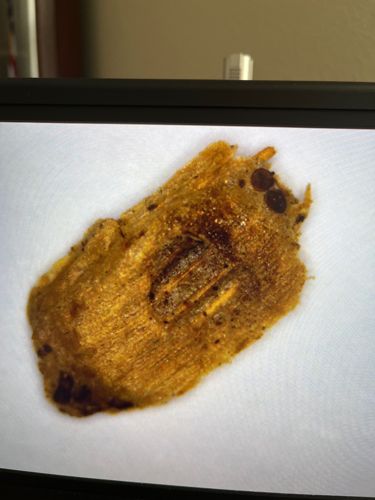
Praying Mantis Egg Case
Ootheca (produced by Mantis religiosa or Tenodera sinensis)
- Order & Family
- Order Mantodea, Family Mantidae
- Size
- 2.5 cm to 5 cm (1 to 2 inches) in length.
Natural Habitat
Attached to twigs, branches, stems, fences, or the sides of buildings in gardens, meadows, and shrublands.
Diet & Feeding
The egg case itself does not eat. Upon hatching, the nymphs (juveniles) are predators that eat small insects like aphids, flies, and other tiny invertebrates.
Behavior Patterns
The female mantis produces a frothy secretion that hardens into a protective, papery structure to insulate eggs through winter. Nymphs emerge in spring through small exit slits in the side of the case.
Risks & Benefits
Highly beneficial to ecosystems and gardens. They act as a natural pest control by consuming various harmful insects. They pose no risk to humans.