Booklouse (or Psocid)
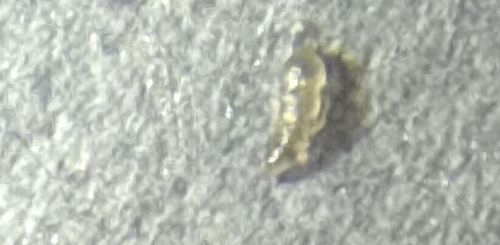
Scientific Name: Liposcelis spp. (Common genus for household booklice)
Order & Family: Order: Psocodea (formerly Psocoptera); Family: Liposcelididae
Size: Typically very tiny, ranging from 1 mm to 2 mm in length.
Natural Habitat
Found in warm, damp environments with high humidity; often seen in books, papers, cardboard boxes, near leaking pipes, or in new construction (wet plaster/lumber).
Diet & Feeding
They feed on microscopic molds, fungi, starch, glue (from book bindings), and sometimes dry food products like grains or cereals.
Behavior Patterns
They do not bite or sting. They are wingless (most household species) and move in quick, jerking motions. They require high humidity to survive and reproduce.
Risks & Benefits
Risks: They are a nuisance pest rather than a danger; they can contaminate dry food storage and cause allergic reactions in some people due to dead bodies and waste. Benefits: In nature, they help recycle organic material, but in homes, they serve as an indicator of high humidity or mold issues.
Identified on: 2/25/2026