Mold Mite
Scientific Name: Tyrophagus putrescentiae
Order & Family: Sarcoptiformes / Acaridae
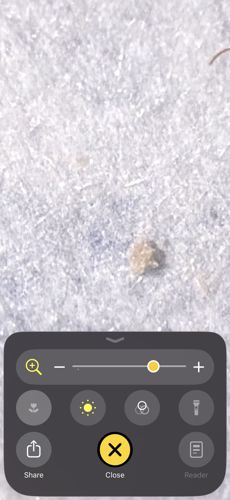
Size: 0.3 mm to 0.5 mm in length (barely visible to the naked eye, appearing as moving dust).
Natural Habitat
Indoor environments with high humidity, specifically kitchens, bathrooms, and pantries where mold, yeast, or fungi are present on surfaces or food items.
Diet & Feeding
Mycetophagous; they primarily feed on mold and fungi, but also consume high-protein and high-fat stored foods like cheese, seeds, grain, and dried meats.
Behavior Patterns
They exhibit rapid reproduction in warm, humid conditions (above 65% relative humidity). They do not bite but migrate in large numbers towards moisture and food sources, often appearing as a 'walking' fine white dust.
Risks & Benefits
They do not bite humans or pets and are not structurally destructive. However, they can cause allergic reactions (dermatitis or respiratory issues) through contact with their hair or waste, and they can contaminate stored pantry goods.
Identified on: 1/3/2026