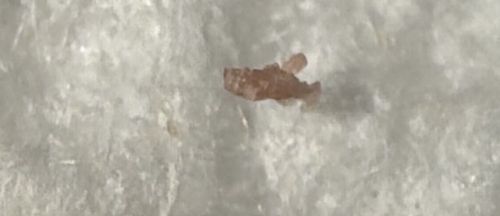
Bird Mite or Rodent Mite
Scientific Name: Ornithonyssus spp.
Order & Family: Mesostigmata: Macronyssidae
Size: Very small, approximately 0.5 mm to 1.0 mm in length (barely visible to the naked eye).
Natural Habitat
Typically found in bird nests (especially pigeons, starlings, and sparrows) or rodent burrows. They migrate into homes when their primary hosts leave or die, often entering through cracks, vents, or windows.
Diet & Feeding
Hematophagous (feeds on the blood of birds or rodents). They will bite humans if their primary host is unavailable, but they cannot reproduce on human blood.
Behavior Patterns
These mites are active wandering parasites. After leaving a nest, they disperse rapidly in search of a meal. They are most active at night or in lower light but can be seen crawling on walls and fabrics during the day. They have a relatively short lifespan without a host.
Risks & Benefits
Risks: Their bites can cause intense itching, rashes, and dermatitis in humans (often described as a 'crawling' sensation). They are generally considered nuisance pests rather than disease vectors for humans, though the psychological impact can be significant. Benefits: None in a domestic setting; they are parasites.
Identified on: 2/21/2026