
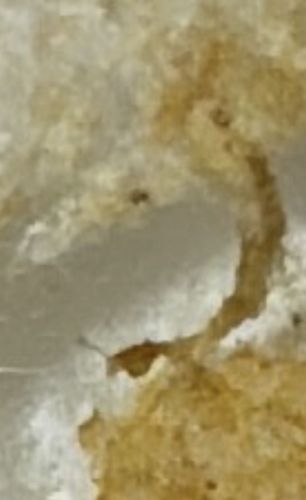
Subterranean Termite (Shelter Tube)
Reticulitermes spp.
- Order & Family
- Order: Blattodea, Family: Rhinotermitidae
- Size
- Individual workers are approximately 1/8 to 1/4 inch (3-6 mm), but the shelter tubes shown in the image can extend for many feet.
Natural Habitat
They live in underground colonies in the soil but build shelter tubes (mud tubes) up vertical surfaces like foundations, walls, and wood to access food sources while maintaining moisture.
Diet & Feeding
Cellulose material, primarily wood, but also paper, cardboard, and sometimes plant roots.
Behavior Patterns
Subterranean termites require high moisture levels. Because exposure to open air dehydrates them, they construct mud tubes made of soil, wood particles, and saliva to travel safely between the ground and their food source. These tubes are often the first visible sign of an infestation.
Risks & Benefits
Risks: They are extremely destructive pests that can cause severe structural damage to homes and wooden structures by eating wood from the inside out. Benefits: In nature, they are crucial decomposers that break down dead wood and return nutrients to the soil.