
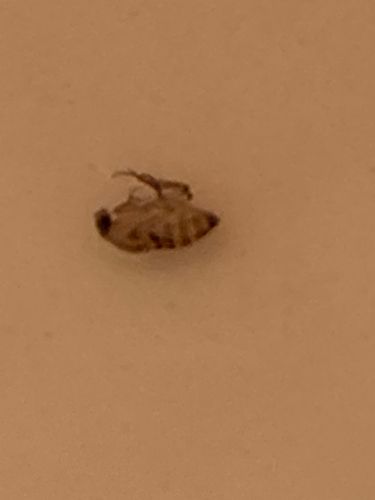
Community identification
Cat Flea
Ctenocephalides felis
- Order & Family
- Order Siphonaptera, Family Pulicidae
- Size
- 1.5 mm to 3 mm in length
Natural Habitat
Found globally; typically lives on host animals (cats, dogs, humans) and in their bedding, carpets, and upholstery.
Diet & Feeding
Adults are obligate hematophages (blood-feeders); larvae feed on organic debris and 'flea dirt' (adult flea excrement containing dried blood).
Behavior Patterns
They are wingless, laterally flattened, and possess powerful hind legs for jumping. They undergo complete metamorphosis (egg, larva, pupa, adult) and can remain dormant in the pupal stage for months until sensing a host.
Risks & Benefits
Risks include causing intense itching, allergic dermatitis, and transmitting tapeworms or diseases like murine typhus. They offer no significant ecological benefits to human environments and are considered household pests.