
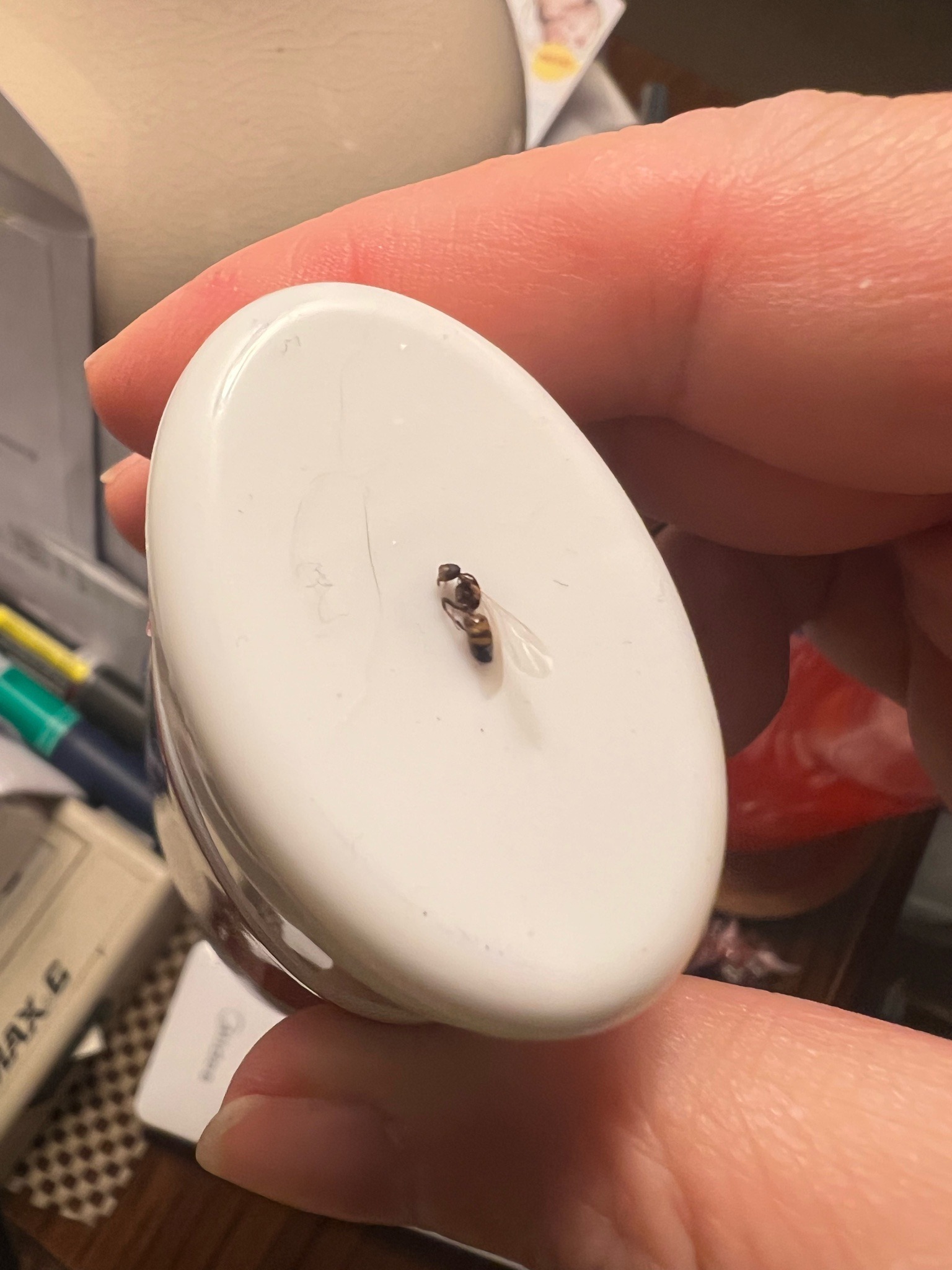
Community identification
Winged Carpenter Ant (Elate)
Camponotus spp.
- Order & Family
- Hymenoptera: Formicidae
- Size
- 6 to 13 mm (0.25 to 0.5 inches), though queens and winged reproductives can be larger.
Natural Habitat
Found in both forests and residential areas, typically nesting in moist or decaying wood, hollow trees, or structural timber.
Diet & Feeding
Omnivorous; they eat honeydew produced by aphids, plant juices, and other insects. They do not eat wood, but excavate it to create nests.
Behavior Patterns
Winged reproductives appear during 'nuptial flights' to mate and found new colonies. They are primarily nocturnal and follow chemical trails to food sources.
Risks & Benefits
Benefits include aerating soil and assisting in the decomposition of dead wood. Risks include structural damage to homes if colonies are established in building timbers.