
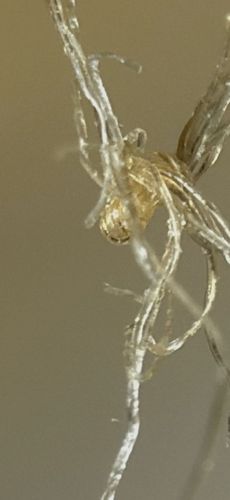
Booklouse (or Psocid)
Liposcelis spp. (Typical household genus, though specific species requires microscopic ID)
- Order & Family
- Order: Psocodea (formerly Psocoptera); Family: Liposcelididae
- Size
- Very minute; typically 1mm to 2mm in length.
Natural Habitat
Typically found in damp, humid environments indoors, such as bathrooms, kitchens, basements, and windowsills. They frequent areas with mold growth, starchy materials like book bindings, old paper, or stored grains.
Diet & Feeding
They feed on microscopic mold and fungi, as well as starchy materials including book bindings (hence the name), wallpaper paste, and stored food products like grains or cereals.
Behavior Patterns
They are wingless (mostly) and run jerkily rather than flying. They thrive in high humidity and are often found in clusters near their food source. They undergo incomplete metamorphosis (egg, nymph, adult).
Risks & Benefits
Risks: They are generally harmless to humans (do not bite or transmit disease) but can be a nuisance pest in large numbers and may contaminate stored food. Benefits: They act as indicators of high humidity or mold issues in a home but provide no significant ecological benefit in a domestic setting.