
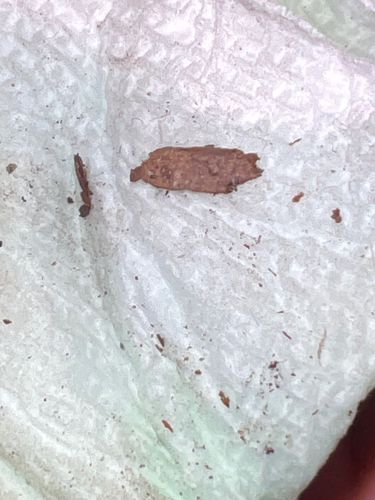
Fleat
Siphonaptera (order)
- Order & Family
- Order: Siphonaptera; Family: Pulicidae (common family)
- Size
- 1.5 to 3.3 mm (about 1/16 to 1/8 inch)
Natural Habitat
Fleas are commonly found in households with pets, in carpets, bedding, and on the host animal itself. Outside, they thrive in shady, moist areas like tall grass or leaf litter.
Diet & Feeding
Adult fleas are parasites that feed exclusively on the blood of mammals and birds. Larvae feed on organic debris, particularly 'flea dirt' (dried blood excreted by adults).
Behavior Patterns
Fleas are wingless but are exceptional jumpers. They have a four-stage life cycle: egg, larva, pupa, and adult. They are highly resilient and can remain in the pupal stage for months until they detect a host.
Risks & Benefits
Fleas are significant pests and health risks; they cause allergic dermatitis in pets and can transmit diseases such as plague, typhus, and tapeworms. They offer no known benefits to human environments.