Tunga penetrans (Chigoe flea)
Scientific Name: Tunga penetrans
Order & Family: Order: Siphonaptera, Family: Tungidae
Size: Approximately 1 mm in length before burrowing; can expand up to 1 cm (pea-sized) after burrowing.
Natural Habitat
Found in tropical and subtropical regions, particularly in sandy soil, beaches, and stables.
Diet & Feeding
Both sexes feed on blood intermittently. After burrowing into the skin, the female feeds continuously on blood and tissue fluids to produce eggs.
Behavior Patterns
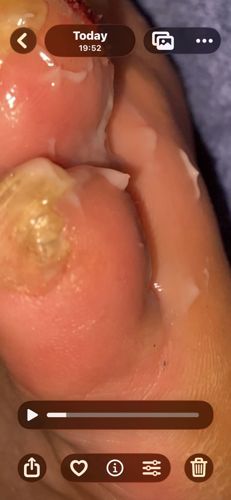
The female flea burrows into the skin of a host, usually at the feet. Once inside, it undergoes neosomy, swelling significantly as it develops eggs which are then released through a small opening in the skin.
Risks & Benefits
Causes tungiasis, which can lead to severe inflammation, pain, and secondary bacterial infections like cellulitis, gangrene, or tetanus. There are no known benefits to the host or ecosystem.
Identified on: 3/5/2026