
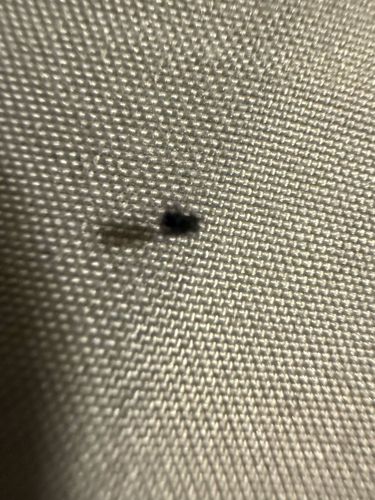
Fungus Gnat
Bradysia spp. (though exact species cannot be determined from image)
- Order & Family
- Order: Diptera, Family: Sciaridae (dark-winged fungus gnats) or Mycetophilidae (fungus gnats)
- Size
- 2-8 mm (adults)
Natural Habitat
Damp environments, especially where there are decomposing organic matter, moist soil of houseplants, greenhouses, and gardens. Adults are often seen flying or resting near potted plants.
Diet & Feeding
Larvae feed on fungi, decaying plant matter, and sometimes plant roots (especially tender root hairs and seedlings). Adults do not feed significantly and primarily focus on reproduction.
Behavior Patterns
Adult fungus gnats are weak fliers and often seen hovering over soil surfaces or crawling on leaves. They are attracted to light and moisture. Larvae live in the soil and are responsible for any plant damage. The life cycle from egg to adult is typically 3-4 weeks.
Risks & Benefits
Risks: Larvae can damage plant roots, especially in young plants, seedlings, and plants with root rot, leading to wilting, stunted growth, and even death. They can be a nuisance indoors. Benefits: In natural environments, they contribute to decomposition processes by feeding on fungi and decaying matter. However, their presence in large numbers, particularly indoors, indicates overwatering or high humidity issues.