
Community identification
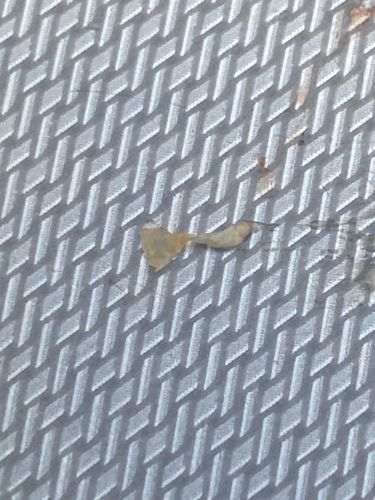
Household Casebearer (often locally called a Plaster Bagworm)
Phereoeca uterella
- Order & Family
- Order: Lepidoptera; Family: Tineidae
- Size
- 8 to 14 mm in length
Natural Habitat
Typically found inside residential homes, garages, and sheds, often on walls or ceilings in humid environments.
Diet & Feeding
Larvae feed on naturally occurring fibers, including spider cobwebs, hair, wool, silk, and dead insect remains.
Behavior Patterns
The larva constructs a protective silk case covered in sand, dust, and debris. This case is open at both ends, allowing the larva to feed from either side and retreat inside when threatened. They undergo metamorphosis inside this case.
Risks & Benefits
They are considered a minor household nuisance. While they don't bite or spread disease, they can occasionally damage silk or wool fabrics. They are mostly harmless and play a small role as scavengers by eating spider webs and debris.