
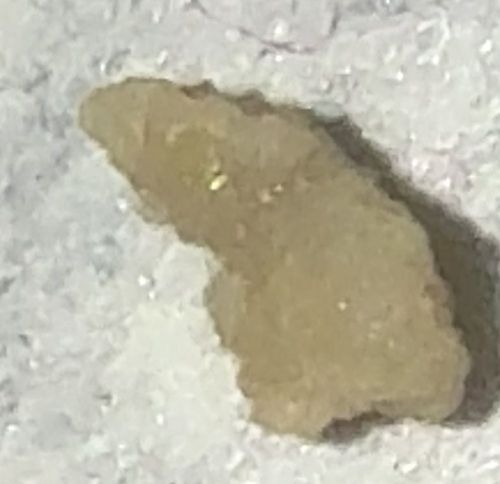
Plaster Bagworm (or Household Casebearer)
Phereoeca uterella
- Order & Family
- Order: Lepidoptera, Family: Tineidae
- Size
- The larval case is usually 8–13 mm long (approx. 0.3–0.5 inches).
Natural Habitat
Commonly found indoors on walls, ceilings, and in corners of garages, closets, and underneath spiderwebs. They thrive in humid climates like Florida and the Caribbean.
Diet & Feeding
The larva feeds on spiderwebs, old insect skins, wool to a lesser extent, and general household detritus/dust. They do not eat plaster, despite the name.
Behavior Patterns
The larva constructs a flat, pumpkin-seed-shaped protective case out of silk and tiny particles of sand, dust, or debris. It drags this case around as it moves. The larva eventually pupates inside this case. The adult is a small, nondescript moth.
Risks & Benefits
Risks: Generally harmless to humans and pets; they do not bite or sting. They can be a minor nuisance pest due to unsightly cases on walls. Benefits: They can help clean up old spiderwebs and dead insects in hidden corners.