
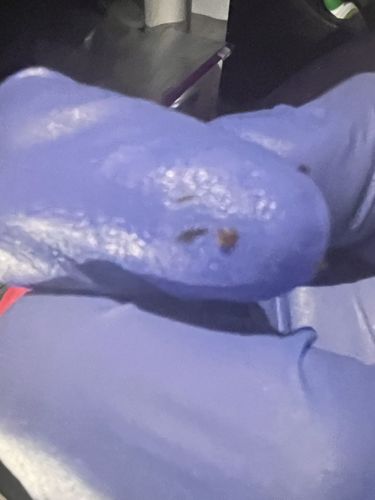
Community identification
Flea
Siphonaptera (Order)
- Order & Family
- Order Siphonaptera; Various families (e.g., Pulicidae)
- Size
- 1.5 to 3.3 mm (1/16 to 1/8 inch)
Natural Habitat
Found globally; typically live on the bodies of warm-blooded hosts or in their bedding, nests, and indoor carpets.
Diet & Feeding
Adults are hematophagous (blood-feeders), consuming blood from birds and mammals. Larvae feed on organic debris and 'flea dirt' (dried adult excrement).
Behavior Patterns
Fleas are wingless, saltatorial (jumping) insects known for their ability to leap long distances relative to their size. They go through a complete metamorphosis: egg, larva, pupa, and adult.
Risks & Benefits
Risks include being vectors for diseases such as plague, murine typhus, and cat-scratch disease. They cause allergic dermatitis and can transmit tapeworms to pets and humans. They offer no specific benefits to humans.