
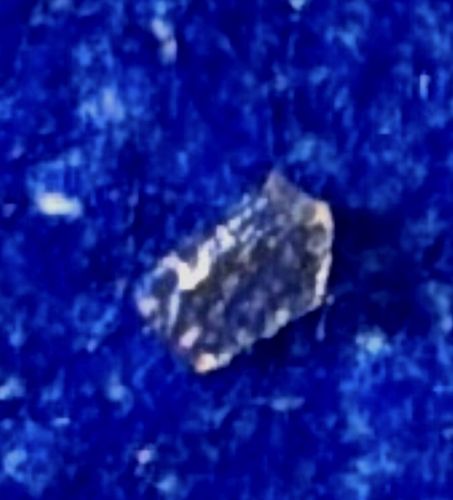
Community identification
Household Casebearer (Plaster Bagworm)
Phereoeca uterella
- Order & Family
- Lepidoptera order, Tineidae family
- Size
- Larval case is typically about 8–13 mm (0.3–0.5 inches) in length.
Natural Habitat
Typically found indoors in humid climates, often on walls, in closets, corners of rooms, or underneath furniture. They prefer dark, undisturbed areas.
Diet & Feeding
The larvae feed on keratin-rich materials like wool, hair, and spider webs, as well as dead insects and plant debris.
Behavior Patterns
The larva constructs a flattened, pumpkin-seed-shaped case made of silk and debris (sand, dust, lint) which it carries around for protection. It moves by dragging this case along surfaces. When threatened, the larva pulls back completely inside.
Risks & Benefits
Generally considered a household pest. They do not bite or sting humans, but they can damage fabrics, rugs, and woolen clothing. They can be a nuisance due to their presence on walls and floors.