
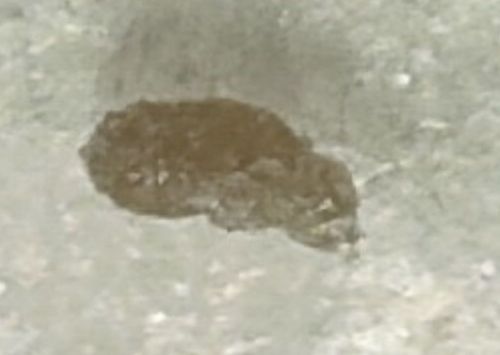
Plaster Bagworm (or Household Casebearer)
Phereoeca uterella
- Order & Family
- Order: Lepidoptera, Family: Tineidae
- Size
- Case is approximately 8–13 mm (0.3–0.5 inches) long.
Natural Habitat
Typically found indoors in high humidity environments, clinging to walls (especially stucco or plaster), under furniture, or in corners. Common in warm, tropical, and subtropical climates.
Diet & Feeding
Detritivores; larvae feed on spider webs (a major component of their case), old silk, wool, dead insects, shed human hair, and general house dust.
Behavior Patterns
The larva constructs a protective case out of silk and debris (sand, dust, paint chips, insect parts) shaped like a small, flat pumpkin seed. It drags this case around as it moves. The larva has openings at both ends of the case to feed and move without turning around. They ultimately pupate inside the case before emerging as small moths.
Risks & Benefits
Generally harmless to humans and does not bite or sting. They can be a minor nuisance pest in homes as they unsightly. They pose a very minimal threat to fabrics like wool, unlike their cousins the clothes moths, but generally prefer cleaning up cobwebs and dust.