Pinworm
Scientific Name: Enterobius vermicularis
Order & Family: Order Rhabditida, Family Oxyuridae
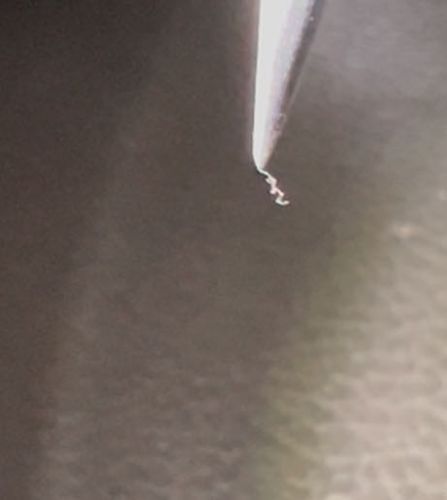
Size: Females are 8–13 mm long; males are 2–5 mm long.
Natural Habitat
The human large intestine; eggs are commonly found on bedding, clothing, and household dust.
Diet & Feeding
They feed on intestinal contents and mucosal cells within the human digestive tract.
Behavior Patterns
Adult females migrate to the anus at night to lay eggs on the surrounding skin, causing intense itching. Life cycle is direct from human to human via oral ingestion of eggs.
Risks & Benefits
Causes enterobiasis, characterized by perianal itching, sleep disturbance, and irritability. While uncomfortable, it is generally not a serious medical risk but necessitates hygiene improvements and medication.
Identified on: 2/8/2026