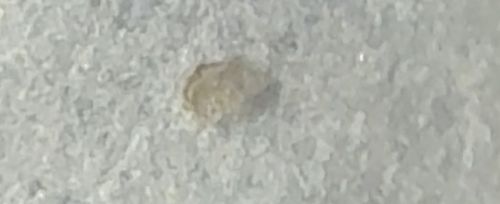
Booklouse
Scientific Name: Liposcelis spp.
Order & Family: Order: Psocodea (formerly Psocoptera), Family: Liposcelididae
Size: Very small, typically 1 to 2 mm (less than 1/16 inch) in length
Natural Habitat
Found indoors in warm, humid areas such as bathrooms, kitchens, and basements. They frequently inhabit books, old papers, cardboard boxes, damp wall voids, and near starchy materials like wallpaper glue.
Diet & Feeding
They feed primarily on microscopic fungi and mold that grows on damp surfaces. They also consume starchy pastes, glue in bookbindings, wallpaper paste, and sometimes grains stored in pantries.
Behavior Patterns
Booklice are flightless and move with a jerky, running crawling motion. They do not bite. They thrive in humidity above 50%. Their presence is often a primary indicator of a moisture problem or hidden mold growth within a structure.
Risks & Benefits
Risks: They are nuisance pests that can contaminate stored food products and damage old books or wallpaper by eating the paste. They do not bite, sting, or transmit diseases to humans. Benefits: In nature, they help decompose organic matter, though inside homes, they offer no direct benefit.
Identified on: 2/25/2026