
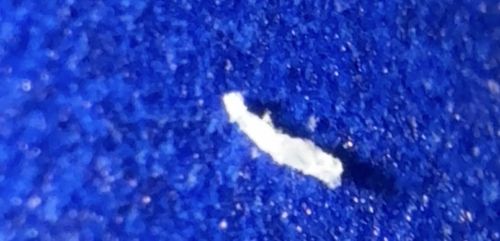
Plaster Bagworm (or Household Casebearer)
Phereoeca uterella
- Order & Family
- Lepidoptera: Tineidae
- Size
- Larval seed-shaped case is approx. 8–13 mm (0.3–0.5 inches) long.
Natural Habitat
Typically found indoors in warm, humid climates, often on walls (especially stucco or plaster), in corners, under furniture, or in closets. They are most common in tropical and subtropical regions.
Diet & Feeding
Detritivore feeding on spider webs, old silk/cocoons, wool, dead insects, hair, and sometimes natural fibers in clothing or carpets.
Behavior Patterns
The larva constructs a flattened, pumpkin-seed-shaped case made of silk and debris (sand, paint chips, insect parts) which it carries around for protection. It moves by dragging this case along surfaces. When pupating, they attach the case vertically to a wall.
Risks & Benefits
Generally harmless to human health (they do not bite or sting). They are considered a minor household pest because they can look unsightly on walls and occasionally damage woolen fabrics or natural fibers, though they rarely cause major structural damage.