Springtail
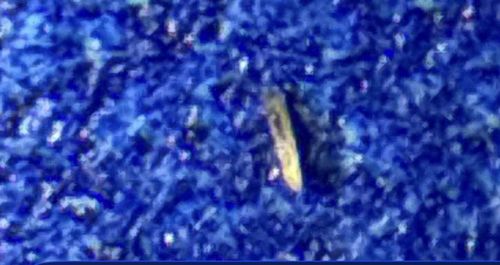
Scientific Name: Collembola (various species, specifically looks like an elongated species from Entomobryomorpha)
Order & Family: Order: Entomobryomorpha (elongate-bodied springtails); Family: potentially Entomobryidae or Isotomidae
Size: Typically very small, ranging from less than 1 mm to about 6 mm in length.
Natural Habitat
Found in moist environments, soil, leaf litter, decaying wood, and occasionally indoors in damp areas like bathrooms, basements, or potted plants.
Diet & Feeding
Primarily feeds on decaying organic matter, bacteria, fungi, mold, algae, and microscopic spores.
Behavior Patterns
Named for their unique ability to 'jump' using a tail-like appendage called a furcula (though not always visible or present in all species). They do not have wings and move by crawling or springing away from threats. They often congregate in large numbers where moisture is high.
Risks & Benefits
Generally harmless to humans and pets; they do not bite, sting, or transmit diseases. They are beneficial decomposers in soil ecosystems, helping to break down organic matter and cycle nutrients. Inside homes, they are considered nuisance pests indicating high moisture levels.
Identified on: 2/15/2026