
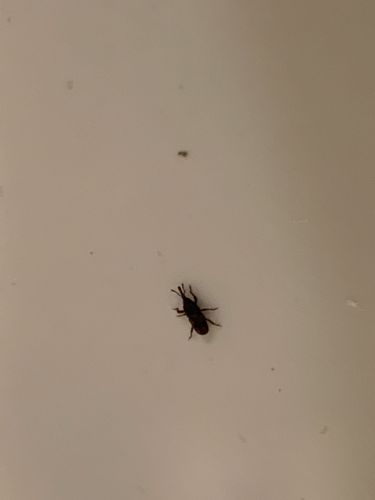
Ant
Formicidae
- Order & Family
- Hymenoptera, Formicidae
- Size
- Typically 2 to 20 mm, but some species can be larger.
Natural Habitat
Widely diverse, almost every terrestrial habitat on Earth, including forests, deserts, urban environments, and even some aquatic-influenced areas. They often build nests underground, in wood, or in sheltered spaces.
Diet & Feeding
Highly varied depending on the species. Many are omnivorous, feeding on nectar, seeds, fungi, other insects, and scavenging on dead animals. Some are specialized predators or herbivores.
Behavior Patterns
Ants are social insects that live in colonies, which can range from a few dozen to millions of individuals. They exhibit complex social behaviors including division of labor, communication through chemical signals (pheromones), cooperative foraging, and building intricate nests. Their life cycle includes egg, larva, pupa, and adult stages.
Risks & Benefits
Risks: Some species can bite or sting, causing irritation or allergic reactions. They can infest homes, seeking food or shelter, and some can cause structural damage (e.g., carpenter ants). Benefits: Ants are important ecosystem engineers, aerating soil, dispersing seeds, and acting as predators of other insects, thus helping with pest control. They are also a food source for many animals and play a role in nutrient cycling.