
Community identification
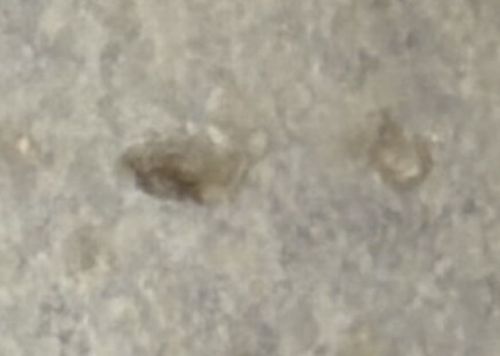
Plaster Bagworm (or Household Casebearer)
Phereoeca uterella
- Order & Family
- Order: Lepidoptera, Family: Tineidae
- Size
- Generally 6 to 13 mm (0.25 to 0.5 inches) long.
Natural Habitat
Typically found in homes, garages, under decks, or on stucco walls; they thrive in humid environments and are often seen on walls, corners, and floors.
Diet & Feeding
Feeds on wool, hair, lint, spider webs, and other dried organic debris found in households.
Behavior Patterns
The larva constructs a protective case made of silk and camouflaged with sand, soil, and debris, which it drags around; the case is flat and pumpkin-seed shaped, open at both ends to allow the larva to feed and move.
Risks & Benefits
Generally harmless to humans and pets as they do not bite or sting; primarily a nuisance pest, though they can damage woolens or natural fibers if found in large numbers.