
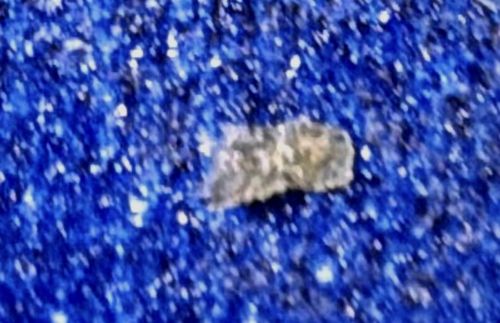
Community identification
Household Casebearer (also known as the Plaster Bagworm)
Phereoeca uterella
- Order & Family
- Order: Lepidoptera, Family: Tineidae
- Size
- Larval case is typically about 8–13 mm (0.3–0.5 inches) long
Natural Habitat
Typically found indoors in warm, humid climates; they often frequent garages, closets, and underneath furniture where spider webs or fibrous debris accumulate. They are commonly seen on walls or baseboards.
Diet & Feeding
The larvae feed on old spider webs, fibers (wool/silk), dead insect parts, and sometimes human hair or skin flakes found in dust.
Behavior Patterns
The larva constructs a flattened, pumpkin-seed-shaped protective case out of silk and debris (sand, dust, lint) which it drags around as it moves. It can retreat inside the case at both ends to hide from predators.
Risks & Benefits
Generally considered a nuisance pest rather than a health threat. They do not bite or sting, but they can damage natural fibers like wool or silk if present in large numbers.