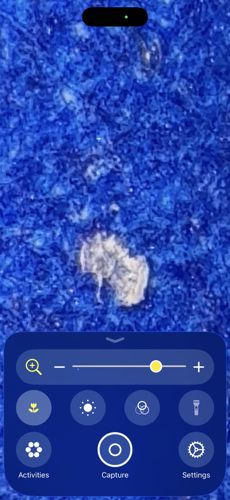
House Dust Mite
Scientific Name: Dermatophagoides pteronyssinus (or Dermatophagoides farinae)
Order & Family: Order: Sarcoptiformes; Family: Pyroglyphidae
Size: Microscopic; typically 0.2–0.3 mm (0.008–0.012 inches) in length.
Natural Habitat
Inhabits indoor environments, primarily focusing in mattresses, pillows, carpets, and upholstered furniture where humidity is high and skin cells accumulate.
Diet & Feeding
Primarily feeds on dander (dead skin cells) shed by humans and pets, as well as some fungal spores.
Behavior Patterns
They prefer dark, warm, and humid conditions (above 70% relative humidity). They do not drink water but absorb moisture from the air. Their life cycle lasts about 65 to 100 days.
Risks & Benefits
Risks: They are a major cause of indoor allergens; their waste products (fecal pellets) can trigger asthma, eczema, and allergic rhinitis in sensitive individuals. Benefits: They serve no direct benefit to humans, though they play a minor role in breaking down organic detritus.
Identified on: 12/26/2025