
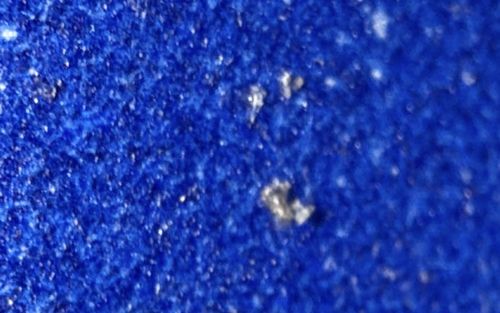
Community identification
Fruit fly (nymph/larva/egg stage)
Drosophila melanogaster
- Order & Family
- Order: Diptera; Family: Drosophilidae
- Size
- Eggs are approximately 0.5 mm in length; larvae can grow from 1 mm to 4 mm before pupation.
Natural Habitat
Commonly found in domestic kitchens, grocery stores, and near decaying organic matter like overripe fruit or vegetables.
Diet & Feeding
Larvae feed on the yeast and fungal growth associated with fermenting and decaying organic materials like fruit juices and compost.
Behavior Patterns
The life cycle is extremely rapid (8-10 days at room temperature). Females lay hundreds of eggs on moist, fermenting surfaces; larvae hatch and burrow into the food source to feed.
Risks & Benefits
They are primarily nuisance pests and potential mechanical vectors for surface-level bacteria. They do not bite or sting but can contaminate food sources with pathogens.