
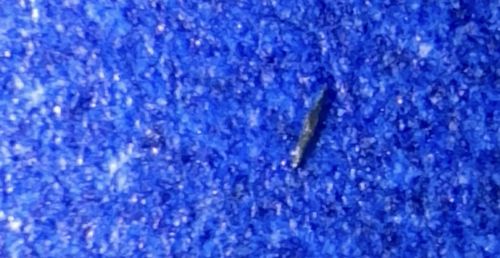
Household Casebearer (often specifically the Plaster Bagworm or Case-bearing Clothes Moth larva)
Phereoeca uterella (Plaster Bagworm) or Tinea pellionella (Case-bearing Clothes Moth)
- Order & Family
- Lepidoptera (Order), Tineidae (Family)
- Size
- Larval case is typically 8 mm to 14 mm (0.3 to 0.5 inches) in length.
Natural Habitat
Typically found indoors in dry, dusty areas of homes, particularly on walls, baseboards, carpets, and inside closets. They thrive in high humidity.
Diet & Feeding
Detritivores. They feed on old spider webs, wool, hair, lint, dead insects, and dried animal products. The Plaster Bagworm is particularly known for feeding on spider webs.
Behavior Patterns
The larva constructs a distinctive flattened, pumpkin-seed or spindle-shaped case made of silk and debris (sand, dust, lint) which it carries around for protection. It can emerge from either end of the case to move or feed.
Risks & Benefits
Generally considered a nuisance pest rather than a major threat. They do not bite or sting humans. However, damage can occur to woolens, rugs, and natural fibers if infestations are large.