
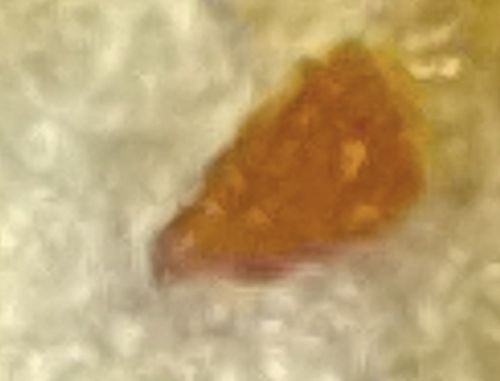
Household Casebearer or Plaster Bagworm
Phereoeca uterella (or Tinea pellionella for true casemaking clothes moths)
- Order & Family
- Lepidoptera: Tineidae
- Size
- Case length usually ranges from 8mm to 13mm (0.3 to 0.5 inches)
Natural Habitat
Typically found indoors on walls, baseboards, closets, and in corners of rooms. In nature, they live in sheltered areas like spider webs or rock crevices.
Diet & Feeding
Feeds on natural fibers, spider silk, hair, lint, dead insects, woolen materials, and old skins shed by insects.
Behavior Patterns
The larva builds a flattened, pumpkin-seed-shaped case out of silk and debris (sand, dust, fibers) for protection. It drags this case around as it moves and can retreat inside when threatened. It eventually pupates inside the case.
Risks & Benefits
Generally harmless to humans (does not bite or sting). Considered a minor household pest because they can damage fabrics like wool or chew on rugs, though they primarily feed on existing detritus and dust.