
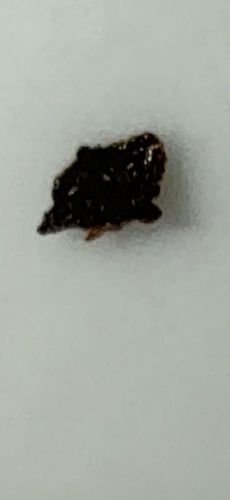
Lacewing Larva (specifically a debris-carrying variety)
Chrysopidae (Family)
- Order & Family
- Order: Neuroptera; Family: Chrysopidae
- Size
- Typically 1–10 mm (0.04–0.4 inches) depending on species and larval stage.
Natural Habitat
Gardens, agricultural fields, forests, and houseplants where aphids and other small soft-bodied insects are present.
Diet & Feeding
Carnivorous predators. They feed voraciously on aphids, mites, scale insects, whiteflies, mealybugs, and insect eggs.
Behavior Patterns
These larvae are famous for their 'camouflage' behavior. They often pick up debris—including the remains of their prey, lichen, or dirt—and attach it to their backs using hooked bristles to hide from predators and ambush prey. This gives them the appearance of a small, walking piece of dirt or fluff.
Risks & Benefits
Benefits: Highly beneficial to gardeners and agriculture as excellent biological pest control agents (often called 'Aphid Lions'). Risks: They can deliver a mildly painful, pinching bite to humans if handled, but they are not venomous or dangerous.