
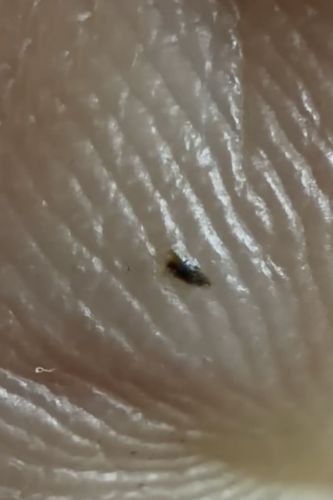
Community identification
Human Head Louse
Pediculus humanus capitis
- Order & Family
- Order: Psocodea (Suborder: Anoplura); Family: Pediculidae
- Size
- Adults are approximately 2–3 mm long (about the size of a sesame seed); nymphs are smaller.
Natural Habitat
Exclusively on the human scalp, typically attaching eggs (nits) to the base of hair shafts close to the scalp.
Diet & Feeding
Obligate ectoparasites that feed exclusively on human blood several times a day.
Behavior Patterns
They move by crawling (cannot hop, jump, or fly). They reproduce quickly, with females laying about 6 eggs per day that hatch in 7-10 days. They transmission occurs through direct head-to-head contact.
Risks & Benefits
Risks include intense itching (allergic reaction to saliva), scalp irritation, and secondary bacterial infections from scratching. They are not known to transmit systemic diseases. They offer no ecological benefits to humans.