
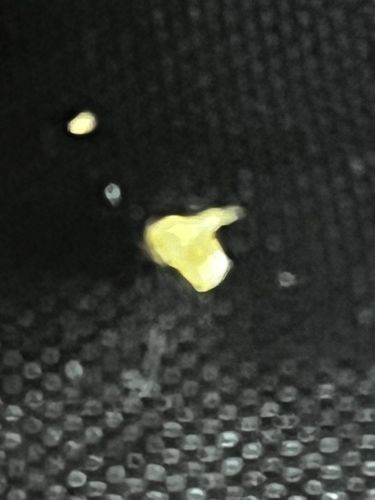
Community identification
Firefly (specifically, a glowing larva or 'glowworm')
Family: Lampyridae (various species)
- Order & Family
- Order: Coleoptera; Family: Lampyridae
- Size
- Larvae typically range from 5 mm to 20 mm in length.
Natural Habitat
Damp environments such as marshes, wet meadows, and wooded areas, often found on the ground or in leaf litter.
Diet & Feeding
Larvae are carnivorous, primarily feeding on soft-bodied invertebrates like snails, slugs, and worms by injecting them with paralyzing fluids.
Behavior Patterns
Lampyridae larvae use bioluminescence (a steady glow) as a warning signal to predators that they are distasteful or toxic. They are mostly nocturnal and spend several years in the larval stage before pupating.
Risks & Benefits
Benefits: They provide natural pest control by eating slugs and snails in gardens. Risks: They are harmless to humans but contain defensive chemicals (lucibufagins) that can be toxic to pets if ingested.