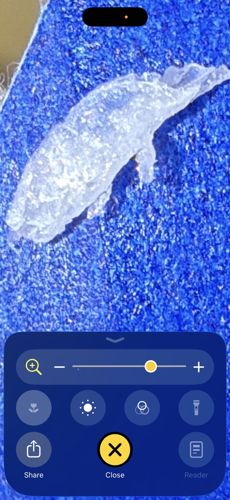
Tardigrade
Scientific Name: Tardigrada
Order & Family: Phylum: Tardigrada (Multiple orders/families)
Size: 0.1 mm to 1.5 mm
Natural Habitat
Semiaquatic environments like moss, lichen, soil, and leaf litter; also found in marine and freshwater sediments.
Diet & Feeding
Most species eat plant cells, algae, or bacteria using specialized mouthparts to pierce cells and suck out contents. Some are carnivorous, eating smaller tardigrades or rotifers.
Behavior Patterns
Known for 'cryptobiosis', a death-like state where they dehydrate and become 'tuns' to survive extreme temperatures, radiation, and the vacuum of space. They move slowly on eight legs.
Risks & Benefits
Harmless to humans. They are vital to ecosystems as pioneers in new environments and serve as essential subjects for biological and space research due to their extreme resilience.
Identified on: 1/4/2026