
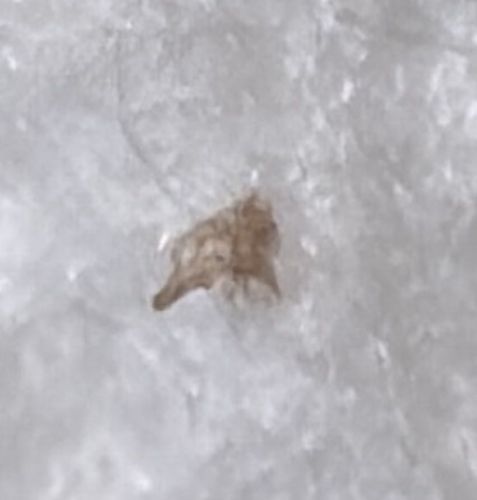
Household Casebearer or Plaster Bagworm
Phereoeca uterella (sometimes referred to as Phereoeca allutella in older texts)
- Order & Family
- Order: Lepidoptera, Family: Tineidae (Clothes Moths)
- Size
- Larval case is typically 8–13 mm long (approx. 0.3 to 0.5 inches).
Natural Habitat
Commonly found indoors on walls, in corners, on wool rugs, and under furniture. They thrive in high humidity and are often seen in garages or closets.
Diet & Feeding
The larvae feed on spider webs, old insect skins (exuviae), woolen fibers, and human hair. They are essentially scavengers of keratin and detritus.
Behavior Patterns
The larva constructs a protective case out of silk and camouflages it with sand, soil, lint, and debris, which gives it a 'pumpkin seed' shape. It drags this case around as it moves. When it is ready to pupate, it attaches the case to a wall or sheltered surface.
Risks & Benefits
Risks: Generally considered a minor household pest; large infestations can damage woolen fabrics, rugs, or clothing, though they usually prefer spider webs and dust. Benefits: They clean up small amounts of organic debris and old spider webs in the home.