
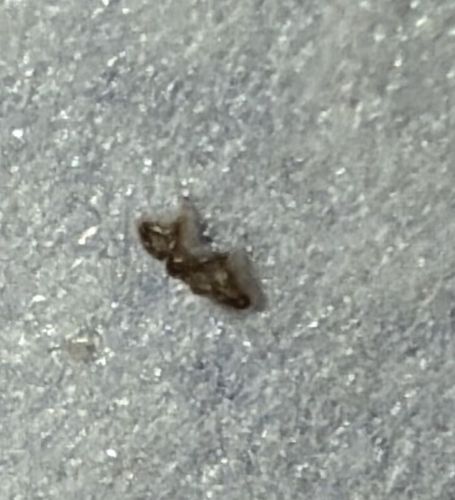
Lace Bug
Tingidae (Family level identification)
- Order & Family
- Order: Hemiptera, Family: Tingidae
- Size
- Very small, typically 2 to 6 mm (0.08 to 0.24 inches) in length.
Natural Habitat
Found worldwide, primarily on the undersides of leaves of specific host plants, including deciduous trees (like sycamore, oak, azalea) and shrubs.
Diet & Feeding
Herbivorous sap-suckers. They use piercing-sucking mouthparts to feed on the fluids from leaf cells, often causing stippling or bleaching on the upper leaf surface.
Behavior Patterns
They tend to stay on the underside of leaves, often in groups. They overwinter as adults in bark crevices or leaf litter. When their population is high, they can cause leaves to turn yellow, brown, or drop prematurely.
Risks & Benefits
Risks: They are considered garden and agricultural pests because their feeding visually damages ornamental plants (stippling) and weakens them. They are not dangerous to humans, though they can occasionally bite if they land on skin, causing minor irritation. Benefits: Minimal, mainly as food for generalist predators like spiders and ladybugs.