
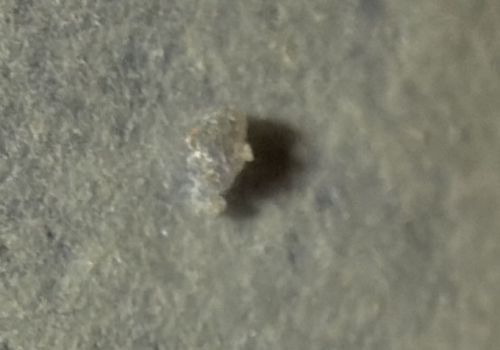
Household Casebearer (often the larva of the Plaster Bagworm or Case-bearing Clothes Moth)
Phereoeca uterella (Plaster Bagworm) or Tinea pellionella (Case-bearing Clothes Moth)
- Order & Family
- Order: Lepidoptera, Family: Tineidae
- Size
- Larval cases are typically 8–13 mm (0.3–0.5 inches) in length.
Natural Habitat
Typically found indoors in high-humidity areas, garages, closets, and underneath furniture. They prefer dark, undisturbed corners where they can find fibers and debris.
Diet & Feeding
Larvae feed on natural fibers such as wool, silk, and hair, as well as spider webs, insect debris, and sometimes dried food products.
Behavior Patterns
The larva constructs a distinctive flattened, pumpkin-seed-shaped protective case out of silk and environmental debris (like sand, soil, or lint). It carries this case around on its back, protruding its head and legs to move and feed. It can retreat fully inside when threatened.
Risks & Benefits
Risks: They are considered household pests because they can damage clothing, rugs, and fabrics made of natural fibers. Benefits: Minimal, though they do help clean up organic detritus like dead insects and spider webs.