
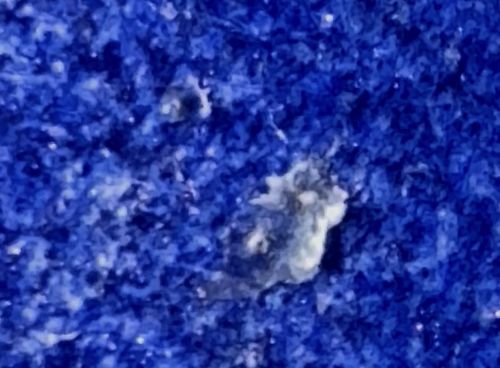
Masked Hunter Nymph (Camouflaged)
Reduvius personatus
- Order & Family
- Order: Hemiptera (True Bugs); Family: Reduviidae (Assassin Bugs)
- Size
- Nymphs: Vary by growth stage (2-15 mm). Adults: 17-22 mm.
Natural Habitat
Often found indoors in homes, attics, and basements where dust accumulates. Natural habitats include dry areas under bark or debris.
Diet & Feeding
Strictly carnivorous predators. They feed on other household arthropods including bed bugs, sowbugs, lacewings, earwigs, and silverfish.
Behavior Patterns
The nymphs have a sticky body surface and actively cover themselves with dust, lint, and sand particles for camouflage (as seen in the image). This 'mask' helps them ambush prey and hides them from predators. They are nocturnal hunters.
Risks & Benefits
Benefits: A beneficial predator that helps control populations of other household pests. Risks: While generally harmless to humans, they can inflict a very painful (though non-venomous) bite if handled or provoked, comparable to a bee sting.