
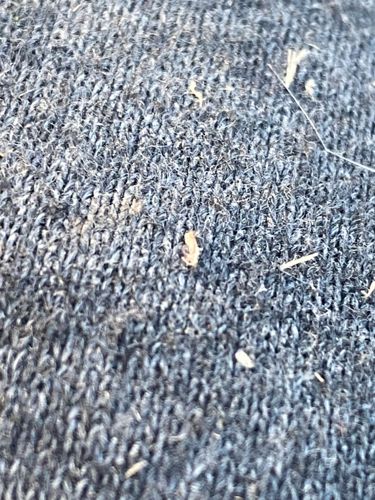
Community identification
Cat Flea
Ctenocephalides felis
- Order & Family
- Siphonaptera: Pulicidae
- Size
- 1.5 mm to 3 mm in length
Natural Habitat
Found worldwide, primarily living on or near mammalian hosts such as cats, dogs, and humans, often within carpets, bedding, and floor cracks.
Diet & Feeding
Obligate hematophages (blood-feeders). Adults feed on the blood of the host; larvae feed on organic debris and adult flea feces (flea dirt).
Behavior Patterns
Flightless but capable of jumping long distances. They undergo complete metamorphosis (egg, larva, pupa, adult) and use vibrations and heat to locate hosts.
Risks & Benefits
Significant pest risk. They cause irritation and dermatitis; they can transmit tapeworms (Dipylidium caninum) and bacterial diseases like Bartonella (cat-scratch fever) or Murine typhus.