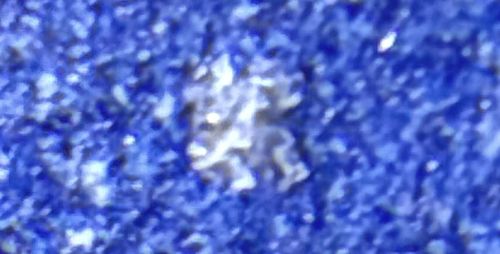
Dust Mite (Likely identification based on context and size, though visual confirmation is difficult)
Scientific Name: Dermatophagoides spp. (e.g., Dermatophagoides farinae)
Order & Family: Order: Sarcoptiformes, Family: Pyroglyphidae
Size: Microscopic; typically 0.2 to 0.3 millimeters in length. They are generally translucent and invisible to the naked eye.
Natural Habitat
Indoor environments, specifically thriving in mattresses, bedding, upholstered furniture, and carpets where dead skin cells accumulate and humidity is moderate (around 70-80%).
Diet & Feeding
Detritivores that feed primarily on dander (dead skin flakes) shed by humans and animals, as well as some mold spores.
Behavior Patterns
They do not bite or sting. Instead, they crawl through fibers seeking food and moisture. They reproduce rapidly in warm, humid conditions.
Risks & Benefits
Risks: A major cause of indoor allergies and asthma. Their feces and decaying body fragments contain potent allergens that can trigger respiratory issues, eczema, and sneezing. Benefits: They act as decomposers of organic waste (skin cells), though this benefit is negligible compared to the allergic risks.
Identified on: 2/27/2026