
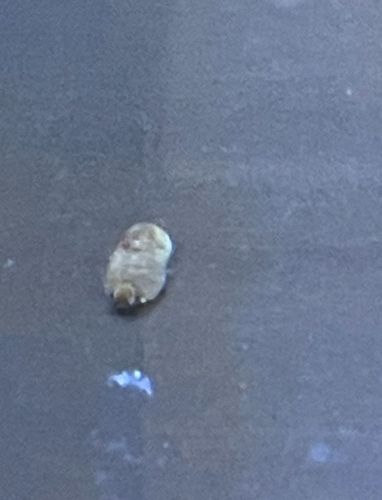
Puss Caterpillar (Southern Flannel Moth Caterpillar)
Megalopyge opercularis
- Order & Family
- Lepidoptera, Megalopygidae
- Size
- Approximately 1 to 1.5 inches (2.5 to 4 cm) in length.
Natural Habitat
Found in deciduous forests and shade trees (like oak, elm, and hackberry) across the Southern United States, Mexico, and parts of Central America.
Diet & Feeding
Herbivorous; feeds on the leaves of various trees and shrubs including oak, elm, hackberry, and roses.
Behavior Patterns
The larva is covered in long, silky, hair-like setae that hide venomous spines. They typically feed in groups when young and become solitary as they mature before spinning a tough, cocoon-like structure to pupate.
Risks & Benefits
High risk to humans; it is one of the most venous caterpillars in North America. Contact with its hidden spines causes immediate, intense pain, swelling, and sometimes systemic symptoms like nausea or fever. Benefits include its role as a food source for some predators and its eventual transformation into a pollinating moth.