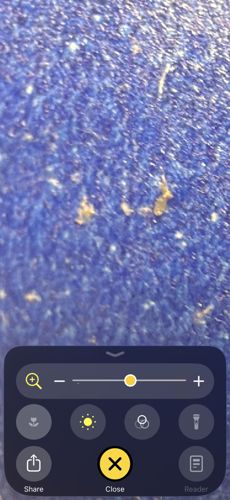
Dust mite
Scientific Name: Dermatophagoides pteronyssinus
Order & Family: Sarcoptiformes; Pyroglyphidae
Size: 0.2–0.3 mm in length
Natural Habitat
Indoor environments, particularly mattresses, upholstered furniture, and carpets that provide moisture and warmth
Diet & Feeding
Scavengers that feed on tiny flakes of dead human skin (dander) shed daily
Behavior Patterns
They are globally distributed and thrive in high humidity (above 50%). They produce fecal pellets containing enzymes that breakdown food, which can remain airborne when disturbed.
Risks & Benefits
They do not bite humans, but their digestive enzymes (like Der p 1) and body parts are major triggers for allergies and asthma. They provide no significant benefits to humans.
Identified on: 1/3/2026