Pinworm (Threadworm)
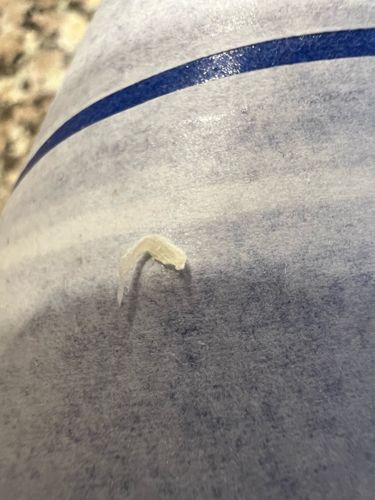
Scientific Name: Enterobius vermicularis
Order & Family: Order: Oxyurida, Family: Oxyuridae
Size: Females are typically 8-13 mm (about 0.3-0.5 inches) long; males are smaller, usually 2-5 mm.
Natural Habitat
The primary habitat is the human gastrointestinal tract, specifically the large intestine and rectum. Eggs can survive on surfaces like bedding, clothing, and furniture for up to 2-3 weeks.
Diet & Feeding
Parasitic; they feed on matter within the human intestine.
Behavior Patterns
Nocturnal behavior is key; female worms migrate out of the anus at night to deposit thousands of eggs on the perianal skin, causing intense itching. This itching facilitates transmission via scratching and subsequent surface contamination.
Risks & Benefits
Risks: Highly contagious human parasite causing Enterobiasis. Symptoms include severe itching, poor sleep, and restlessness. While generally not dangerous, severe infestations can cause discomfort and secondary skin infections. Benefits: None.
Identified on: 2/10/2026