
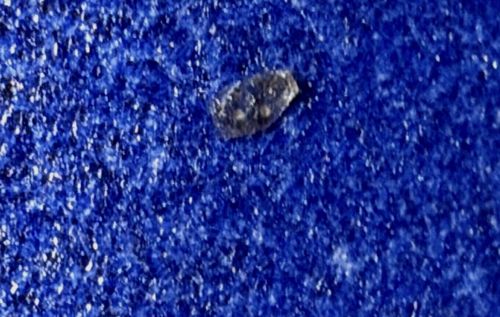
Community identification
Plaster Bagworm (or Household Casebearer)
Phereoeca uterella
- Order & Family
- Order: Lepidoptera, Family: Tineidae
- Size
- Larval case is roughly 8mm to 13mm (0.3 to 0.5 inches) long.
Natural Habitat
Typically found indoors in high-humidity areas, often seen clinging to walls, floorboards, or furniture. Common in tropical and subtropical climates.
Diet & Feeding
Detritivores. They feed on varied organic matter including spider webs (and the dry insect remains within), wool, hair, lint, and old insect skins.
Behavior Patterns
The larva constructs a protective, flattened, pumpkin-seed-shaped case out of silk and debris (like sand, soil, and lint), dragging it along as it moves. The larva can extend its head from either end of the case to feed or move.
Risks & Benefits
Generally harmless to humans (they do not bite or sting). Considered a minor household pest because their presence can be unsightly, but they rarely cause significant damage unless present in large numbers.