
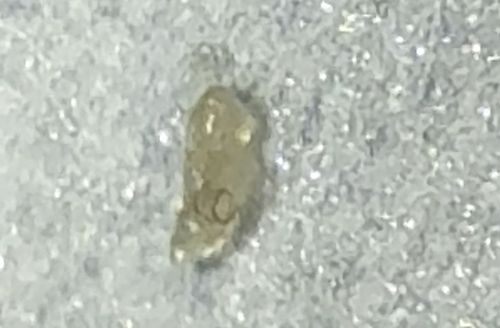
Booklouse (or Psocid)
Liposcelis spp. (Commonly)
- Order & Family
- Order: Psocodea (formerly Psocoptera); Family: Liposcelididae
- Size
- Very small, typically 1 mm to 2 mm in length.
Natural Habitat
Typically found indoors in high-humidity areas, damp basements, or near moldy food products. They are often seen on window sills, near potted plants, inside old books, or in wall voids.
Diet & Feeding
They feed on microscopic fungi, mold, starch, book bindings (glue), grains, and occasionally dead insects. They do not feed on blood or live tissue.
Behavior Patterns
They are wingless, soft-bodied insects that run quickly when disturbed rather than jumping or flying. They thrive in damp conditions and may swarm in large numbers if a mold source is present.
Risks & Benefits
Risks: Generally harmless to humans and do not bite or spread disease. However, they can contaminate stored food products and are considered a nuisance pest. Their presence often indicates an underlying moisture or mold issue. Benefits: They play a minor role as scavengers in the ecosystem.